
Chemical Balancing & Water Testing
Proper water chemistry is the foundation of a safe, healthy, and beautiful pool. Our chemical balancing service ensures your pH, chlorine, alkalinity, calcium hardness, and stabilizer levels are always within the ideal range. Balanced water protects your swimmers, your equipment, and your pool surfaces from damage.
- pH Level Optimization
- Chlorine & Sanitizer Adjustment
- Total Alkalinity Balancing
- Calcium Hardness Testing
- Cyanuric Acid & Stabilizer Check
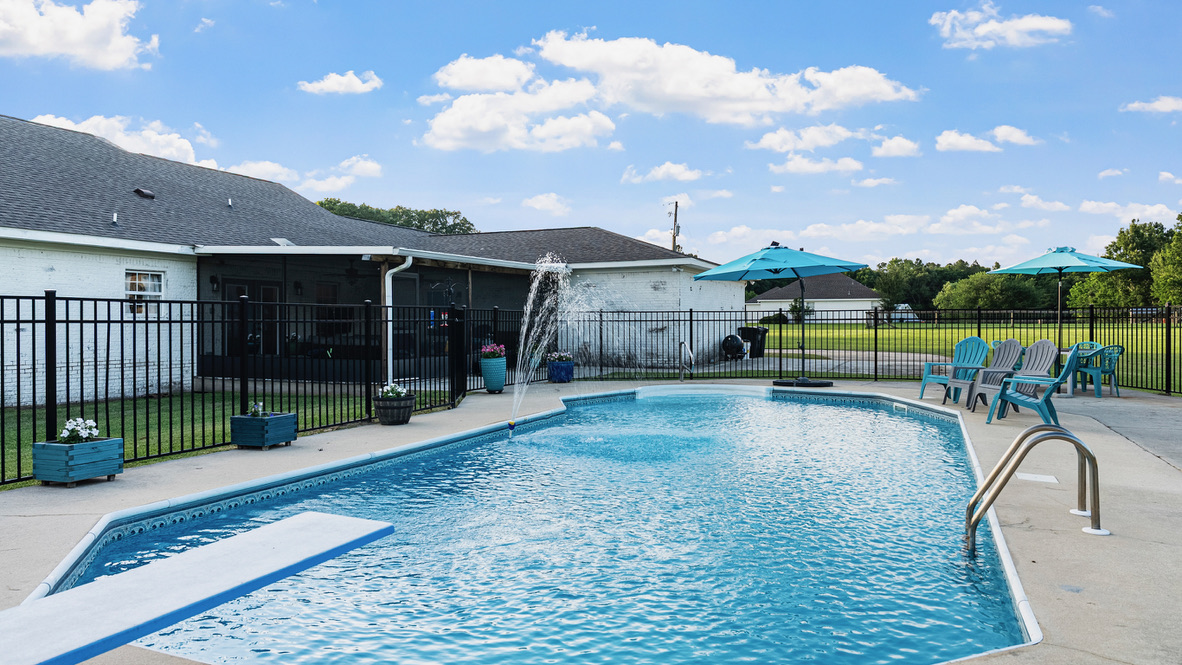
Why Chemical Balance Matters
Unbalanced pool water is more than just an inconvenience. It can cause serious problems for swimmers, equipment, and pool surfaces.
Swimmer Health & Safety
Water that is too acidic or too basic causes skin irritation, red eyes, and respiratory discomfort. Improperly sanitized water can harbor harmful bacteria, parasites, and viruses that pose serious health risks to anyone who swims in the pool.
Equipment Protection
Corrosive water with low pH eats away at metal components, pump seals, heater elements, and plumbing fittings. Water with high calcium levels causes scale buildup that clogs pipes, reduces heater efficiency, and damages salt chlorine generators. Balanced water keeps your equipment running longer.
Surface Preservation
Aggressive water chemistry etches plaster, dissolves grout, fades tile, and damages vinyl liners. Scale-forming water leaves ugly white deposits on tile, waterline surfaces, and water features. Proper balance preserves the beauty and integrity of your pool surfaces for years to come.
What We Test
Our comprehensive water testing covers every critical parameter to ensure your pool water is perfectly balanced and safe.
pH Level
pH measures how acidic or basic your water is on a scale of 0 to 14. The ideal range for pool water is 7.2 to 7.6. Low pH causes corrosion and skin irritation. High pH reduces chlorine effectiveness and causes cloudy water. We test and adjust your pH at every service visit.
Free Chlorine
Chlorine is your pool's primary defense against bacteria, algae, and other contaminants. We maintain free chlorine levels between 1.0 and 3.0 parts per million to ensure effective sanitization without causing irritation to swimmers' skin and eyes.
Total Alkalinity
Alkalinity acts as a buffer for pH, preventing it from swinging wildly up and down. The ideal range is 80 to 120 ppm. Low alkalinity causes pH bounce, corrosion, and green water. High alkalinity makes pH difficult to adjust and causes cloudy water and scaling.
Calcium Hardness
Calcium hardness measures the amount of dissolved calcium in your water. The ideal range is 200 to 400 ppm. Low calcium causes the water to become aggressive and dissolve calcium from your plaster and grout. High calcium causes scale deposits on surfaces, equipment, and plumbing.
Cyanuric Acid (Stabilizer)
Cyanuric acid protects chlorine from being destroyed by the sun's ultraviolet rays. Without it, you can lose up to 90 percent of your chlorine in just a few hours of direct sunlight. We maintain stabilizer levels between 30 and 50 ppm for optimal chlorine protection.
Total Dissolved Solids (TDS)
TDS measures the total concentration of dissolved substances in your water, including minerals, salts, metals, and organic matter. When TDS levels exceed 1500 ppm above your fill water, it can reduce chemical effectiveness and cause cloudy, dull-looking water.
Signs Your Pool Needs Chemical Balancing
Not sure if your pool water is properly balanced? Look for these common warning signs that indicate your water chemistry needs professional attention.
- Cloudy or Hazy Water: Water that is not crystal clear often indicates high pH, high alkalinity, poor filtration, or insufficient chlorine levels.
- Green or Yellow Tint: Discolored water is a sign of algae growth, typically caused by low chlorine, high phosphates, or poor circulation.
- Eye and Skin Irritation: Burning eyes and itchy skin after swimming usually means the pH is out of range or combined chlorine levels (chloramines) are too high.
- Strong Chlorine Smell: Contrary to popular belief, a strong chlorine odor means there is not enough free chlorine. The smell comes from chloramines, which form when chlorine combines with contaminants.
- Scale Buildup: White, chalky deposits on the tile line, water features, or inside equipment indicate high calcium hardness or high pH levels.
- Staining on Surfaces: Brown, green, or purple stains on your pool walls and floor can indicate metal contamination or imbalanced water chemistry attacking your surfaces.
Benefits of Professional Chemical Balancing
While test strips from the hardware store can give you a general idea of your water chemistry, professional testing and balancing provides far more accurate and reliable results.
- Professional-Grade Testing: We use reagent-based test kits and digital testing equipment that provide precise readings, not the rough estimates you get from color-matching test strips.
- Expert Knowledge: Understanding how different chemical parameters interact with each other is critical. Our technicians know exactly how to adjust one parameter without throwing another out of range.
- Consistent Monitoring: Water chemistry changes constantly due to weather, bather load, rain, and temperature. Regular professional testing ensures problems are caught and corrected before they escalate.
- Cost Savings: Properly balanced water uses chemicals more efficiently. You actually spend less on chemicals over time when your water is consistently maintained by a professional.
- Peace of Mind: You never have to wonder whether your pool is safe for your family and guests. We guarantee balanced, healthy water with every service visit.
Chemical Balancing FAQ
Common questions about pool chemical balancing and water testing.
How often should pool water be tested?
We recommend professional water testing at least once per week for residential pools and twice per week for commercial or high-use pools. During the peak summer months in Florida, more frequent testing may be necessary due to high temperatures, heavy rain, and increased swimmer load. As part of our weekly cleaning service, chemical testing and balancing is performed at every visit.
Can I swim right after chemicals are added?
It depends on which chemicals were added and in what quantity. For routine adjustments like small amounts of chlorine or pH increaser, you can typically swim within 15 to 30 minutes after the chemicals have circulated. For larger treatments such as shock treatments or algaecide applications, we recommend waiting at least 8 to 12 hours or until chlorine levels return to the safe range of 1.0 to 3.0 ppm. Our technician will always let you know when it is safe to swim after a service visit.
Why does my pool turn green even though I add chlorine?
There are several reasons this can happen. The most common cause is high cyanuric acid (stabilizer) levels, which lock up your chlorine and prevent it from effectively killing algae. Other causes include high phosphate levels that feed algae growth, insufficient circulation, a dirty or clogged filter, or simply not adding enough chlorine to keep up with demand. Our comprehensive testing identifies the root cause so we can treat the problem, not just the symptom.
What is the difference between free chlorine and total chlorine?
Free chlorine is the active, available chlorine in your water that is ready to sanitize and kill bacteria and algae. Total chlorine is the sum of free chlorine plus combined chlorine (chloramines). Combined chlorine forms when free chlorine reacts with contaminants like sweat, urine, and sunscreen. Chloramines are what cause the strong chlorine smell and eye irritation. The goal is to keep combined chlorine below 0.5 ppm. If combined chlorine is too high, a shock treatment is needed to break apart the chloramines and restore free chlorine levels.